Project Title
- TSCF Patient Registry & Digital Sickle Cell Patient Management System
The TSCF Patient Registry & Digital Sickle Cell Patient Management System is an ongoing digital health initiative developed by The Sickle Cell Family (TSCF) to improve the way information about people living with Sickle Cell Disease (SCD), their families, medical history, referrals, and follow-up is recorded and managed.
The project was initiated in March 2026 and continues to be developed and implemented as part of TSCF’s long-term strategy to strengthen patient-centered Sickle Cell services and data systems in Tanzania.
The registry provides a structured digital system for recording patient information, supporting follow-up, documenting medical history, tracking referrals, and maintaining relevant family information.
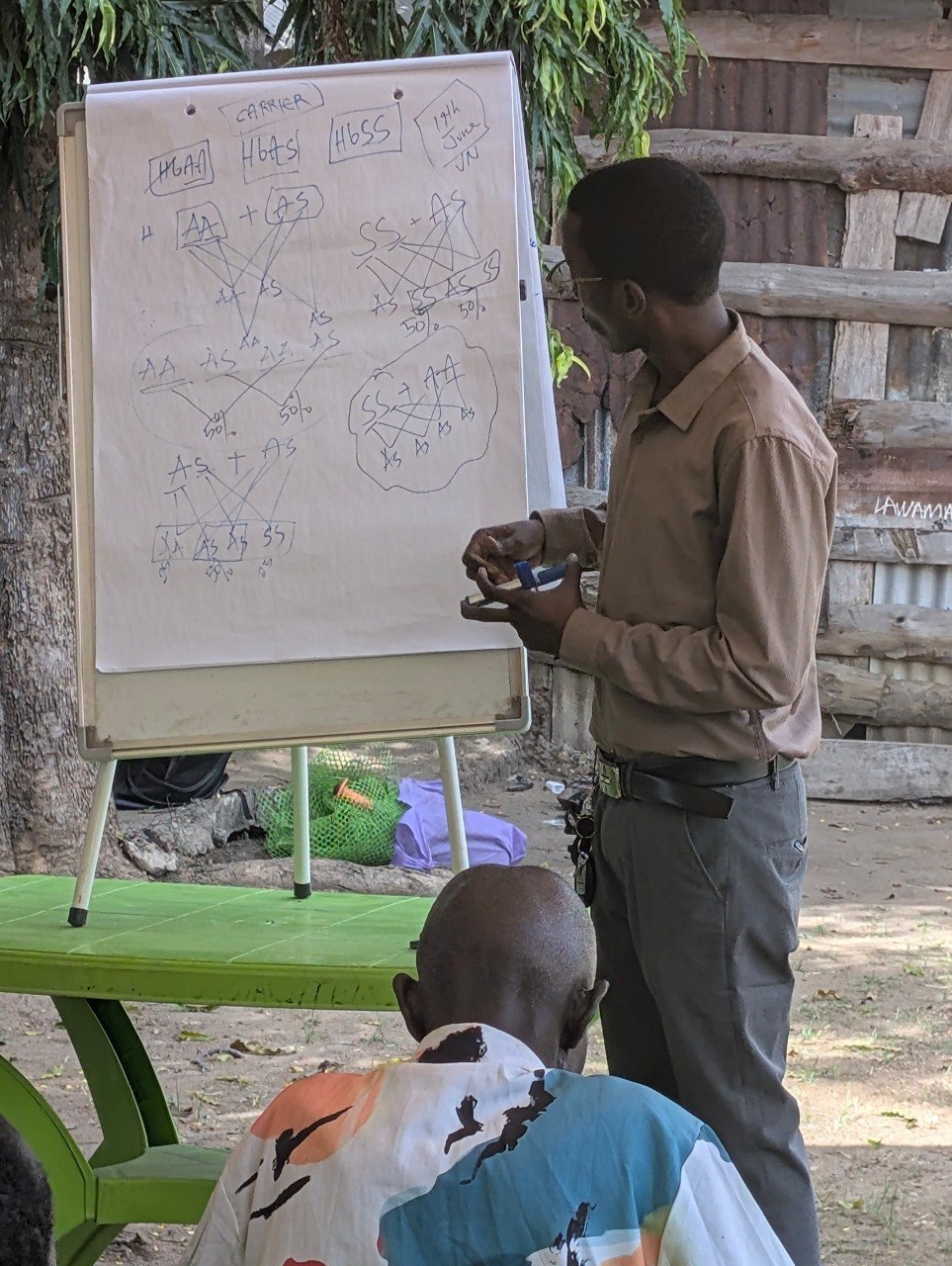
A key component of the registry is its ability to capture family and genetic information, including information about parents and relatives and their known Sickle Cell carrier status. This family-based information can help TSCF better understand the genetic and family context of Sickle Cell Disease and identify opportunities for genetic education, screening, prevention, and targeted support.
Project Goal
To establish and continuously strengthen a digital Sickle Cell Patient Registry that enables TSCF to systematically record, manage, follow up, and use patient and family information to improve support for people affected by Sickle Cell Disease and strengthen evidence-based SCD interventions.
Key Objectives
- To establish a centralized digital registry for recording and managing information about individuals and families affected by Sickle Cell Disease.
- To improve patient follow-up by maintaining organized records that help TSCF monitor patients and maintain continuity of support.
- To document patients’ medical histories and relevant health information to support better understanding of individual patient needs.
- To strengthen referral tracking by recording referrals and supporting follow-up on patients who are connected to healthcare facilities or other relevant services.
- To capture family and genetic information, including information about parents and relatives and known carrier status.
- To improve understanding of family patterns of Sickle Cell Disease by connecting patient information with relevant family and genetic information.
- To generate useful data for planning, advocacy, research, and program development related to Sickle Cell Disease.
- To support genetic education and prevention efforts by identifying opportunities for families and communities to receive appropriate information about SCD inheritance and carrier status.



Geographic Coverage
- Mwanza Region
- Geita Region
- Dodoma Region
- Pwani Region
- Dar es Salaam
The system is intended to grow alongside TSCF’s community and patient-support activities in these regions, allowing information collected from different locations to contribute to a stronger overall understanding of Sickle Cell Disease and the needs of affected families
What the Registry Helps TSCF Do
Patient Follow-Up
The registry helps TSCF maintain organized patient records and support continued follow-up of individuals who require ongoing assistance, information, referrals, or connection to relevant services.
Medical History Documentation
The system provides a structured way to record relevant medical history and other important patient information, helping TSCF understand individual patient needs over time.
Referral Tracking
The registry supports documentation and follow-up of referrals made for patients, helping TSCF monitor connections between patients and appropriate healthcare or support services.
Family & Genetic Information
The registry captures relevant information about parents, relatives, family history, and known Sickle Cell carrier status.
This family-based approach is particularly important because Sickle Cell Disease is an inherited condition. Understanding the family and genetic context can help TSCF identify opportunities for appropriate genetic education, screening, prevention, and family support.
Data for Planning, Research & Advocacy
The information generated through the registry can help TSCF understand the needs and challenges of people and families affected by SCD across its target regions. This evidence can support program planning, advocacy, research, resource mobilization, and engagement with healthcare and policy stakeholders.
Expected and Emerging Impact
The TSCF Patient Registry is strengthening the organization’s capacity to move from fragmented patient information toward a more structured and digital approach to patient and family support.
As the system expands across TSCF’s target regions, it is expected to contribute to:
- Improved continuity of patient follow-up.
- Better documentation of medical and family histories.
- Improved referral tracking and follow-up.
- Greater understanding of family and genetic factors associated with SCD.
- More targeted genetic education and prevention interventions.
- Better identification of patient and family support needs.
- Stronger evidence for advocacy and resource mobilization.
- Improved planning and development of Sickle Cell programs.
- Increased capacity for data-informed research and decision-making.
- A stronger understanding of SCD-related needs across different regions of Tanzania.
Long-Term Vision
TSCF aims to continuously strengthen and expand the Patient Registry into a comprehensive digital platform supporting patient follow-up, medical history, family and genetic information, referral management, data analysis, research, advocacy, and evidence-based program planning.
The long-term vision is to establish a reliable and continuously growing source of Sickle Cell patient and family information across Mwanza, Geita, Dodoma, Pwani, and Dar es Salaam, while ensuring that the system can evolve alongside TSCF’s programs and community-based interventions.
Through this initiative, TSCF seeks to strengthen a patient-centered Sickle Cell support system in Tanzania where reliable information can help identify needs, understand gaps in care, improve follow-up, strengthen family-based prevention and genetic education, and inform more effective interventions.
Project Period
Start Date: March 2025
Status: Ongoing
Implementing Organization: The Sickle Cell Family (TSCF)
Geographic Coverage: Mwanza, Geita, Dodoma, Pwani, and Dar es Salaam, Tanzania